
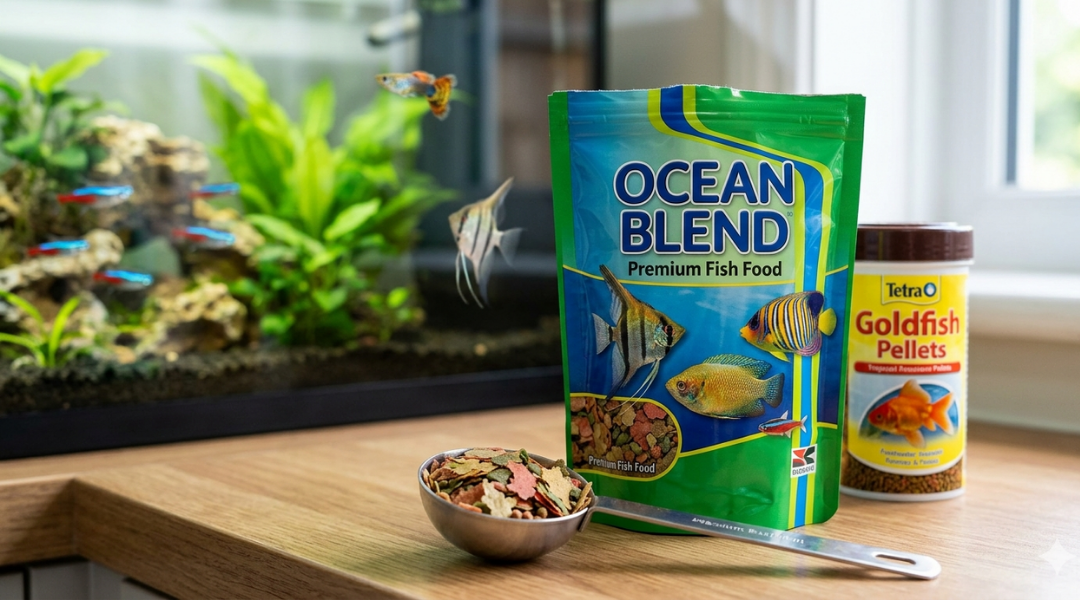
Mike Bloomberg is a figure synonymous with innovation, leadership, and philanthropy. From his early career as a financial analyst to his tenure as the Mayor of New York City and his ongoing philanthropic efforts, Bloomberg has made significant contributions to various fields, including environmental sustainability. One area that has gained increasing attention in recent years is the fish food industry, which plays a critical role in both aquacult000ure and the pet industry.
The production of fish food is not just about feeding aquatic life; it also has profound implications for environmental health and sustainability. With the global demand for fish increasing, the need for sustainable practices in fish food production is more urgent than ever. This article explores Bloomberg’s connection to sustainable fish food practices and the broader implications for the industry.
Who is Mike Bloomberg?
Early Life and Education
Michael Rubens Bloomberg was born on February 14, 1942, in Boston, Massachusetts. He grew up in a middle-class family, where his father worked as a real estate agent and his mother was a secretary. Bloomberg’s upbringing instilled in him a strong work ethic and a commitment to education.
He attended Johns Hopkins University, where he earned a Bachelor of Science in Electrical Engineering. His education laid the groundwork for his future endeavors in finance and technology. After graduating, Bloomberg went on to earn his MBA from Harvard Business School, further honing his skills in business and management.
Career in Business
In 1981, Bloomberg founded Bloomberg L.P., a financial services and media company that revolutionized the way financial data was accessed and analyzed. The Bloomberg Terminal became an essential tool for traders, analysts, and financial professionals worldwide, allowing for real-time data and analytics.
Bloomberg’s innovations extended beyond finance; he also emphasized the importance of data-driven decision-making. This approach has influenced numerous industries, including environmental management, where data plays a crucial role in assessing sustainability practices.
Political Career
Bloomberg’s political career began when he was elected as the Mayor of New York City in 2001. His tenure lasted for three terms, during which he implemented various policies aimed at improving public health, education, and the environment. Key initiatives included the “PlaNYC” initiative, which focused on sustainability and aimed to make New York City more environmentally friendly.
His leadership style emphasized pragmatism and data-driven decision-making, traits that have been pivotal in his approach to environmental issues, including those related to fish food production.
Philanthropy and Environmental Initiatives
After leaving office, Bloomberg focused on philanthropy through Bloomberg Philanthropies, which supports a wide range of initiatives, including public health, education, and environmental sustainability. The organization has invested heavily in various environmental initiatives, aiming to combat climate change and promote sustainable practices globally.
Bloomberg’s commitment to environmental issues has also extended to the fishing and aquaculture sectors, where he advocates for sustainable practices that protect marine ecosystems.
The Fish Food Industry
Overview of Fish Food
Fish food encompasses a variety of products designed to meet the nutritional needs of fish in aquaculture and pet ownership. It can include pellets, flakes, and frozen foods, formulated to provide essential nutrients for different fish species.
The importance of fish food cannot be overstated; it is vital for the growth and health of fish, which in turn supports the aquaculture industry. This industry is crucial for meeting global seafood demand, as wild fish stocks are increasingly overexploited.
Environmental Impact
The traditional production of fish food often relies on unsustainable practices. Many fish feeds contain fishmeal and fish oil derived from wild catch, leading to overfishing and habitat destruction. The environmental impact of these practices is significant, contributing to the depletion of marine resources.
Sustainable practices are essential to mitigate these effects. This includes sourcing ingredients from well-managed fisheries, utilizing alternative protein sources like plant-based ingredients, and improving feed conversion ratios to reduce waste.
Innovations in Fish Food Production
As the demand for sustainable practices grows, the fish food industry is increasingly embracing innovation to address environmental challenges. Researchers and companies are exploring alternative protein sources, such as insect meal and algae, which offer sustainable and nutritionally rich options for fish diets. Additionally, advancements in aquaculture technology, like precision feeding systems, enable farmers to optimize feed use and minimize waste. These innovations not only reduce reliance on traditional fishmeal but also support more efficient and eco-friendly fish farming practices. By investing in research and development, the industry aims to create a more sustainable future that balances the needs of aquaculture with the health of marine ecosystems.
Mike Bloomberg’s Influence on Sustainable Practices
Advocacy for Sustainability
Bloomberg’s commitment to sustainability is evident in his support for various environmental campaigns. He has been a vocal advocate for policies that promote renewable energy, reduce carbon emissions, and protect marine ecosystems.
His partnerships with organizations like the Environmental Defense Fund and Oceana have focused on advocating for sustainable fishing practices and improving the overall health of ocean ecosystems.
Innovations in Aquaculture
Bloomberg’s influence extends to innovations in aquaculture. Advances in technology have led to new methods of fish farming that are more efficient and environmentally friendly. For instance, recirculating aquaculture systems (RAS) allow for fish farming with minimal water use and reduced waste.
Sustainable fish food alternatives, such as insect-based feeds and algae, are gaining traction, thanks in part to advocacy and funding from philanthropic efforts.
The Link Between Bloomberg and Fish Food
Supporting Sustainable Fisheries
Bloomberg’s initiatives have often aimed at supporting local fisheries and promoting sustainable sourcing practices. By funding research and advocacy efforts, he has helped to elevate the importance of sustainability in fish food production.
Programs that support small-scale fisheries and promote the responsible management of marine resources are essential for ensuring a sustainable supply of fish food ingredients.
Investing in Research and Development
Bloomberg has also invested in research and development focused on sustainable fish food. By collaborating with universities and research institutions, his philanthropic efforts aim to drive innovation in the industry.
This includes funding studies that explore alternative feed sources and the impact of various aquaculture practices on marine ecosystems.
Case Studies
Successful Sustainable Fish Food Brands
Several brands have emerged in the fish food market that embody sustainable practices, influenced by initiatives backed by Bloomberg and similar organizations. For example, brands that utilize insect protein or plant-based ingredients are becoming more popular as consumers seek environmentally friendly options.
Case studies of successful brands can highlight the benefits of sustainable practices, showcasing how they can lead to both ecological and economic advantages.
Impact on the Aquaculture Industry
The advocacy for sustainable fish food practices has led to significant changes in the aquaculture industry. As awareness grows about the environmental impact of traditional fish food, more companies are shifting toward sustainable sourcing and production methods.
Long-term benefits of these practices include healthier fish populations, reduced environmental degradation, and increased consumer trust in aquaculture products.
Future of Fish Food and Sustainability
Trends in the Industry
The future of fish food is likely to see continued innovation and a shift toward sustainability. Emerging trends include the use of biotechnology to create lab-grown fish food and the development of feeds that incorporate seaweed and other novel ingredients.
Consumer preferences are also changing, with more people seeking products that are sustainably sourced and environmentally friendly.
Role of Philanthropy in Change
Bloomberg’s philanthropic efforts have the potential to shape the future of the fish food industry. By investing in sustainable practices and innovative technologies, he is helping to pave the way for a more sustainable aquaculture sector.
Future prospects for funding and innovation will depend on continued collaboration between governments, NGOs, and the private sector to address the pressing challenges facing the industry.
Conclusion
Mike Bloomberg’s contributions to fish food sustainability illustrate the significant impact that business leaders and philanthropists can have on environmental practices. By advocating for sustainable fishing practices and investing in innovative solutions, Bloomberg is helping to ensure a healthier future for our oceans and the aquaculture industry.
As consumers, businesses, and governments increasingly recognize the importance of sustainability, supporting practices that promote responsible fish food production is vital. The journey toward a more sustainable fish food industry is ongoing, and with continued advocacy and innovation, it can lead to a brighter future for marine ecosystems and the communities that rely on them.
FAQ: Mike Bloomberg and Fish Food
1. Who is Mike Bloomberg?
Mike Bloomberg is an American businessman, politician, and philanthropist. He is the co-founder of Bloomberg L.P., served as the Mayor of New York City from 2002 to 2013, and is known for his extensive philanthropic efforts, particularly in environmental sustainability.
2. What is the significance of fish food in aquaculture?
Fish food is essential for aquaculture, providing the necessary nutrients for fish growth and health. It supports the sustainability of fish farming, which is crucial for meeting global seafood demand and reducing pressure on wild fish stocks.
3. How does Mike Bloomberg relate to the fish food industry?
Bloomberg has focused on advocating for sustainable practices within the fish food industry. His philanthropic efforts and partnerships with environmental organizations promote responsible sourcing and innovative alternatives in fish food production.
4. What are the environmental impacts of traditional fish food production?
Traditional fish food production often relies on fishmeal and fish oil from wild catch, leading to overfishing and habitat destruction. This practice can significantly harm marine ecosystems and contribute to the depletion of fish stocks.
5. What are sustainable practices in fish food production?
Sustainable practices include sourcing ingredients from well-managed fisheries, utilizing alternative protein sources such as insects and plants, and minimizing waste during production. These practices aim to reduce environmental impact while ensuring a healthy supply of fish food.
6. How has Bloomberg influenced sustainability in the fish food industry?
Through his philanthropic organization, Bloomberg Philanthropies, he has funded research, advocacy campaigns, and partnerships that promote sustainable fishing practices and the development of innovative fish food alternatives.
7. What innovations are being introduced in the fish food market?
Innovations include the use of biotechnology to create lab-grown fish food, as well as incorporating sustainable ingredients like seaweed and insect protein. These alternatives aim to reduce reliance on wild catch and improve environmental outcomes.
8. What role do local fisheries play in sustainable fish food sourcing?
Supporting local fisheries is essential for promoting responsible management of marine resources. Initiatives aimed at enhancing local fisheries can ensure a sustainable supply of fish food ingredients while benefiting coastal communities.
9. What case studies exemplify successful sustainable fish food brands?
Brands that utilize sustainable practices, such as using plant-based or insect protein, have emerged as leaders in the fish food market. These companies demonstrate how environmentally friendly practices can be economically viable and socially responsible.
10. What are the long-term benefits of sustainable fish food practices?
Long-term benefits include healthier fish populations, reduced environmental degradation, and increased consumer trust in aquaculture products. Sustainable practices also contribute to the resilience of marine ecosystems.
11. How do consumer preferences influence the fish food industry?
As consumers become more aware of environmental issues, they increasingly seek sustainably sourced and environmentally friendly fish food products. This shift in preferences encourages manufacturers to adopt sustainable practices.
12. What challenges does the fish food industry face in achieving sustainability?
Challenges include balancing economic viability with environmental responsibility, overcoming regulatory hurdles, and addressing the complex supply chain associated with fish food production.
13. How does philanthropy impact the future of fish food sustainability?
Philanthropic investments can drive innovation, support research and development, and promote advocacy for sustainable practices. Leaders like Bloomberg play a crucial role in shaping the industry’s future through targeted funding and initiatives.
14. What trends are emerging in the fish food industry?
Emerging trends include increased focus on alternative proteins, advancements in aquaculture technology, and growing consumer demand for transparency regarding sourcing and sustainability.
15. What actions can consumers take to support sustainable fish food practices?
Consumers can choose to buy products from brands committed to sustainable practices, support local fisheries, and advocate for policies that promote environmental responsibility in aquaculture.