
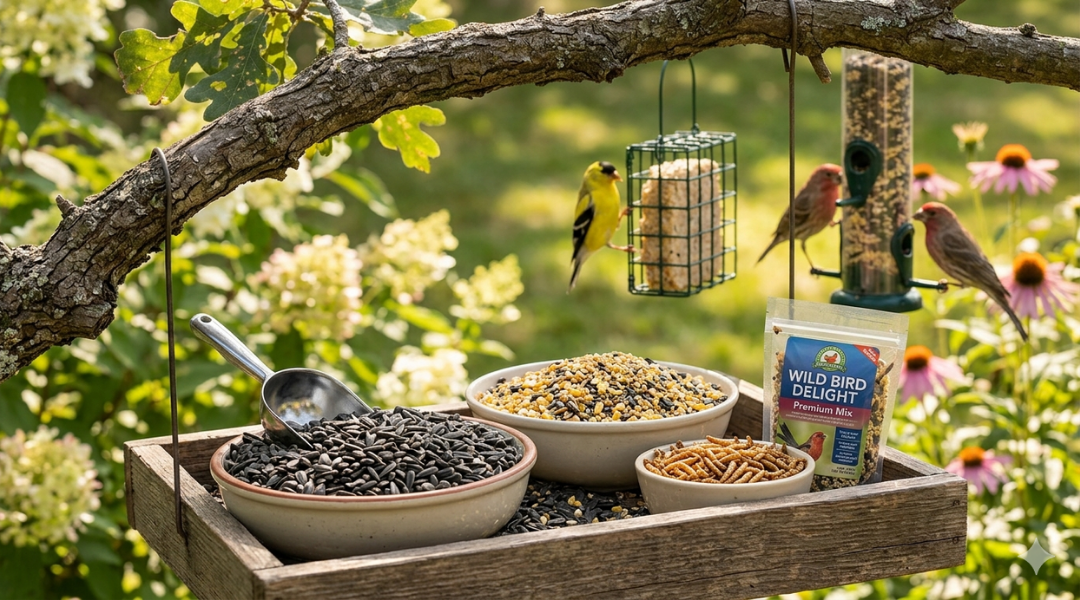
Game bird nutrition is a crucial aspect of raising healthy birds, whether for hunting, conservation or as pets. One often overlooked element of their diet is supplements. In this article, we will delve into the role of supplements in game bird nutrition, exploring their benefits, types, and how they can enhance the overall health and performance of game birds.
Und000erstanding Game Bird Nutrition
To comprehend the importance of supplements, it’s essential to first understand what constitutes a balanced diet for game birds. Game birds, including quail, pheasants, and partridges, have specific nutritional needs that differ from other birds. These needs arise from their unique physiological characteristics and natural behaviors, which affect their dietary requirements. By recognizing these specific needs, bird keepers can create tailored diets that promote optimal health and vitality in their game birds.
Essential Nutrients for Game Birds
Proteins: Crucial for growth, feather development, and reproduction, proteins serve as the building blocks of tissues and cells. High-quality protein sources, such as mealworms or soybean meal, are particularly beneficial for young birds and during breeding seasons.
Carbohydrates: Provide energy for daily activities and movement. They are vital for maintaining stamina and supporting the bird’s active lifestyle. Common carbohydrate sources include grains such as corn, oats, and barley, which are often found in commercial feeds.
Fats: Necessary for healthy skin and feathers, fats also supply a concentrated source of energy for game birds. Essential fatty acids, such as omega-3 and omega-6, contribute to overall health and can enhance feather quality, making birds more resilient during seasonal changes.
Vitamins and Minerals: Essential for overall health, immunity, and metabolic functions, vitamins and minerals play various roles in supporting bodily functions. Vitamins A, D, and E are crucial for vision, bone health, and reproductive success, while minerals like calcium and phosphorus support strong bones and eggshell formation.
A well-balanced diet includes grains, seeds, and commercial game bird feeds that cater to these nutritional requirements. It is vital to regularly assess and adjust the dietary components to ensure that they meet the evolving needs of the birds throughout different life stages and environmental conditions.
The Importance of Supplements in Game Bird Diets
While a balanced diet can meet most of a bird’s nutritional needs, supplements can play a vital role in enhancing health and performance. Let’s explore some of the primary reasons for incorporating supplements into game bird nutrition and how they contribute to overall well-being and vitality.
Filling Nutritional Gaps
Even high-quality feeds may lack specific vitamins or minerals necessary for optimal health and performance. Supplements can help fill these nutritional gaps effectively. For instance, many game birds require additional calcium for strong eggshell formation during breeding seasons, which is critical for reproductive success. Additionally, incorporating trace minerals can enhance overall vitality and prevent deficiencies that might impact growth and development.
Boosting Immune Function
A strong immune system is crucial for the health and longevity of game birds. Supplements like probiotics can promote gut health, leading to better nutrient absorption and a more robust immune response. These beneficial bacteria can help prevent gastrointestinal diseases and support overall well-being. Studies have shown that birds with higher immune function are less susceptible to diseases, leading to a healthier population overall. Furthermore, maintaining a strong immune system can reduce the need for antibiotics, promoting better health management practices.
Enhancing Growth and Performance
For game birds raised for hunting, performance in the field is paramount to their success and the satisfaction of the hunters. Certain supplements, such as amino acids, can enhance muscle development and overall growth rates significantly. These birds will be healthier, more robust, and capable of better flight performance, making them more effective during hunting excursions. Additionally, well-nourished birds exhibit improved agility and stamina, allowing them to thrive in their natural habitat and engage actively in hunting activities.
Support During Stressful Periods
Game birds can experience stress during changes in the environment, such as temperature fluctuations, weather conditions, or breeding seasons. Supplements containing adaptogens can help manage stress levels effectively, leading to improved overall health. When birds are less stressed, they tend to feed better, exhibit more natural behaviors, and maintain higher energy levels. This is particularly important during critical life stages, as managing stress can significantly enhance the birds’ quality of life and overall productivity.
Promoting Healthy Feather Growth
Feathers play a critical role in a bird’s ability to fly and regulate body temperature efficiently. Supplements rich in essential fatty acids can promote healthy feather development and maintenance, contributing to overall bird health. This is particularly important during molting seasons when birds lose and regrow feathers, as adequate nutrition is essential for producing strong and vibrant plumage. Healthy feathers not only improve flight capabilities but also enhance insulation and protection against harsh weather conditions, making the birds more resilient and adaptive.
Types of Supplements for Game Birds
Supplements can come in various forms, including powders, liquids, and pellets, each offering unique benefits for game birds. Here are some popular types of supplements for game birds and how they contribute to their overall health and performance:
Vitamins and Minerals
- Vitamin A: Essential for vision and immune function, Vitamin A plays a critical role in maintaining good eyesight and supporting overall health. It also promotes healthy skin and feathers, ensuring that birds can thrive in their environment.
- Vitamin D: Aids calcium absorption and bone health, Vitamin D is crucial for maintaining strong skeletal structures. Adequate levels of Vitamin D can prevent metabolic bone diseases, ensuring birds remain active and healthy throughout their lives.
- Calcium: Crucial for egg production, calcium is vital for forming strong eggshells and maintaining healthy bones. Insufficient calcium can lead to weak eggshells and decreased reproductive success, impacting the overall population.
- Phosphorus: Works in conjunction with calcium for strong bones, phosphorus also plays a role in energy metabolism and cellular function. A balanced ratio of calcium to phosphorus is essential for optimal health and development in game birds.
Amino Acids
- Lysine: Supports muscle growth and recovery, lysine is an essential amino acid that is critical for protein synthesis. Birds that receive adequate lysine levels tend to exhibit improved growth rates and better overall health.
- Methionine: Important for feather development and overall health, methionine also aids in the production of vital proteins and hormones. This amino acid supports the synthesis of keratin, a key component in feathers, ensuring birds maintain a healthy appearance.
Probiotics
Probiotics help maintain gut health, ensuring efficient nutrient absorption and promoting a balanced gut microbiome. A healthy digestive system can lead to improved nutrient uptake, which enhances growth and vitality. By supporting the immune system, probiotics can also help reduce the risk of gastrointestinal diseases and infections, ensuring overall wellness in game birds.
Fatty Acid Supplements
- Omega-3 and Omega-6: Important for feather quality and overall health, these essential fatty acids play a crucial role in reducing inflammation and promoting cardiovascular health. Adequate levels of omega-3 and omega-6 fatty acids contribute to vibrant feather color and texture, which are important for mating displays and overall bird vitality.
Electrolytes
Electrolytes are essential during hot weather or periods of stress to maintain hydration and energy levels. These minerals, including sodium, potassium, and chloride, help regulate fluid balance and muscle function. Providing adequate electrolytes can prevent dehydration and heat stress, especially during extreme weather conditions, ensuring birds remain healthy and active.
How to Choose the Right Supplements
When selecting supplements for game birds, consider the following factors to ensure optimal health and performance:
Species-Specific Needs
Different game birds have unique nutritional requirements that are often dictated by their species, age, and life stage. Ensure the supplement is tailored specifically to the species you’re raising, as some birds may have higher demands for certain nutrients than others. For example, quail may require different ratios of vitamins and minerals compared to pheasants, so knowing the specific needs of each species is crucial for their well-being.
Quality of Ingredients
Choose high-quality supplements from reputable brands that provide clear ingredient lists and nutritional information. Research the company’s sourcing practices and ensure they use natural, non-GMO ingredients whenever possible. This attention to quality can significantly impact your birds’ overall health and performance, as inferior supplements may contain fillers or harmful additives that could compromise nutrition.
Consult Experts
Always consult with avian nutritionists or veterinarians to determine the best supplement regimen for your game birds. Professionals can provide personalized recommendations based on your birds’ specific needs and circumstances. Their expertise is invaluable in developing a comprehensive feeding strategy that promotes optimal health, helping you avoid common pitfalls and ensuring that your birds thrive throughout their life cycle.
Implementing a Supplementation Plan
Integrating supplements into your game bird feeding regimen can be straightforward when approached correctly. Here’s how to do it effectively:
Step 1: Assess Nutritional Needs
Evaluate your current feeding practices and identify any nutritional gaps or deficiencies that could be impacting your birds’ health. Keep track of their growth rates, feather quality, and overall vitality to make informed decisions about necessary supplements. Using this data will help you create a more tailored approach to your birds’ diets, ensuring they receive the nutrients they need for optimal development.
Step 2: Select Appropriate Supplements
Choose supplements based on the specific needs of your game birds and their life stages. Consider factors such as age, activity level, and breeding status to determine which nutrients will be most beneficial. Select products that are specifically formulated for game birds to ensure that you are meeting their unique dietary requirements effectively.
Step 3: Introduce Gradually
Introduce new supplements slowly to avoid gastrointestinal upset or stress. This gradual approach allows your birds to adjust to the changes in their diet without causing disruptions in their feeding behavior. Monitor the birds’ response and adjust as necessary to ensure they are acclimating well and reaping the benefits of the added nutrients.
Step 4: Regular Monitoring
Keep an eye on your birds’ health and performance through regular observation and care. Regular check-ups with a veterinarian can help assess their nutritional status and adjust the supplementation plan accordingly. Tracking changes in behavior, weight, and overall vitality will ensure that your supplementation strategy is effective and that your game birds remain healthy and active throughout their lives.
Conclusion
The role of supplements in game bird nutrition cannot be overstated. They provide essential nutrients that may be lacking in a regular diet, support growth and performance, and promote overall health. By understanding the various types of supplements available and how to effectively incorporate them into your game bird feeding regimen, you can ensure your birds thrive and reach their full potential.
FAQs About Supplements in Game Bird Nutrition
- What are the most essential supplements for game birds?
- Vitamins, minerals, amino acids, probiotics, and fatty acids are crucial for optimal health.
- How often should I supplement my game birds’ diet?
- This depends on the specific supplement and the nutritional needs of your birds. Consult an expert for personalized recommendations.
- Can I make my own game bird supplements?
- Yes, but it’s essential to ensure they contain the necessary nutrients in the correct proportions.
- Are there any risks associated with over-supplementing?
- Yes, over-supplementation can lead to toxicity or imbalances in nutrients, negatively impacting health.
- How can I tell if my game birds need supplements?
- Signs may include poor feather quality, low energy, or signs of illness. A veterinarian can help assess their needs.
- What is the best way to administer supplements?
- Depending on the type, supplements can be mixed into feed, offered as treats, or provided in drinking water.
- Are organic supplements better for game birds?
- Organic supplements may provide additional benefits, but it’s essential to ensure they meet the birds’ nutritional needs.
- Can I feed game birds human supplements?
- It’s not recommended as human supplements may not contain the appropriate nutrient ratios for birds.
- How do I know if a supplement is of high quality?
- Look for third-party testing, clear labeling, and positive reviews from other bird owners.
- What are the signs of nutritional deficiencies in game birds?
- Symptoms may include lethargy, poor feather quality, weight loss, and reproductive issues.